As I write this, my four kids are busy scouting out their respective spots in our house to work on schoolwork, and I’m hiding in our basement with my laptop precariously perched on a tiny table. These days, we regularly bump into each other, both figuratively and literally. Especially on days where the rain keeps us from even venturing into the backyard, our family is learning what it looks like to live in the new normal that’s been thrust upon us all. For us, working and schooling from home feels inconvenient.
I recently cleared my calendar of all travel for the foreseeable future. Over the coming weeks, I had scheduled trips to Hong Kong, South Carolina, Texas, and Georgia. I had plans to connect with colleagues, to celebrate the work of partners, and to advocate for the ministry of HOPE International. These life-giving parts of my role have now been cancelled due to the quarantine. Changes to my schedule are inconvenient.
Short trips to the store, the gym, and the bank have been postponed. My kids’ soccer games and music lessons are cancelled. And while we all understand the need to press pause, these disruptions to “normal” life are inconvenient.
But what a luxury to even use the word “inconvenient.”
For many, both in the United States and around the world, what’s happening right now far exceeds the boundaries of inconvenient. Job loss and concern about how to put food on the table today stretch far beyond mere inconvenience.
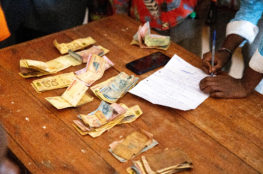
As we think about the entrepreneurs that HOPE serves in sixteen countries around the world, we know that there are many whose businesses are stumbling or sputtering to a halt, leaving families with little to no cash flow. While all of us will experience some sort of loss as a result of this pandemic, families and communities across the globe will face lasting, life-altering damage in a way that many of us will not.
Even before a virus caused the world to temporarily shut down, families in poverty were already fighting to overcome massive hurdles. Poverty makes families vulnerable, putting them into situations that they would never otherwise be in and forcing them to make decisions that they would never otherwise make. Poverty makes families more susceptible to human trafficking, enslavement by predatory lenders, fallout from natural disasters, and fatal “diseases” like diarrhea. Poverty makes parents vulnerable to losing their children. Last year, UNICEF estimated that at least four out of every five orphans today has one living parent, or two, who simply cannot afford to care for them. For many without the same levels of protection, this moment in history with added health concerns isn’t simply inconvenient; it’s devastating.
Shifting our Perspective
Today, I’m reminded of the leftover lasagna in our fridge and the cans in our pantry. My wife and I have not had to worry about how we will feed and care for our children. I’m reminded of the clean water that pours from my kitchen faucet every time I turn it on and the multiple toilets in my home that flush on command! I’m reminded of the gift of technology, the ability to quickly pivot and work from home, and a house spacious enough for each member of my family to set up a “desk” for the next few weeks. I’m reminded of the health of my family right now and the options available to us if we would fall ill. We stand a far better chance of weathering health problems than some of our brothers and sisters who don’t have access to the nutrition and medical care that we do. I’m reminded of the ease with which I’ll soon travel again—whether across the country or to the store just up the road—when this pandemic ends.
More than that, I’m reminded of just how often I take all of these things for granted.
During this time, what if those who are experiencing inconveniences were known as people who, as Paul writes, “give thanks in all circumstances”? And what if we were known as people who didn’t just give thanks, but also refused to let our more vulnerable brothers and sisters suffer disaster on our watch? What if we gave abundantly of our resources to our neighbors who don’t have the margin we have—those who aren’t feeling a sense of inconvenience, but of desperation?
Let’s lift our eyes from our own fears and the disruptions to our own lives to focus on the needs of our community, both across the street and across the globe. Let’s look beyond our own communities to help families in vulnerable communities to weather this global crisis, rebuild, and return to work.
“Self-absorption in all its forms kills empathy, let alone compassion. When we focus on ourselves, our world contracts as our problems and preoccupations loom large. But when we focus on others, our world expands. Our own problems drift to the periphery of the mind and so seem smaller, and we increase our capacity for connection—or compassionate action.”
Daniel Goleman, author and psychologist