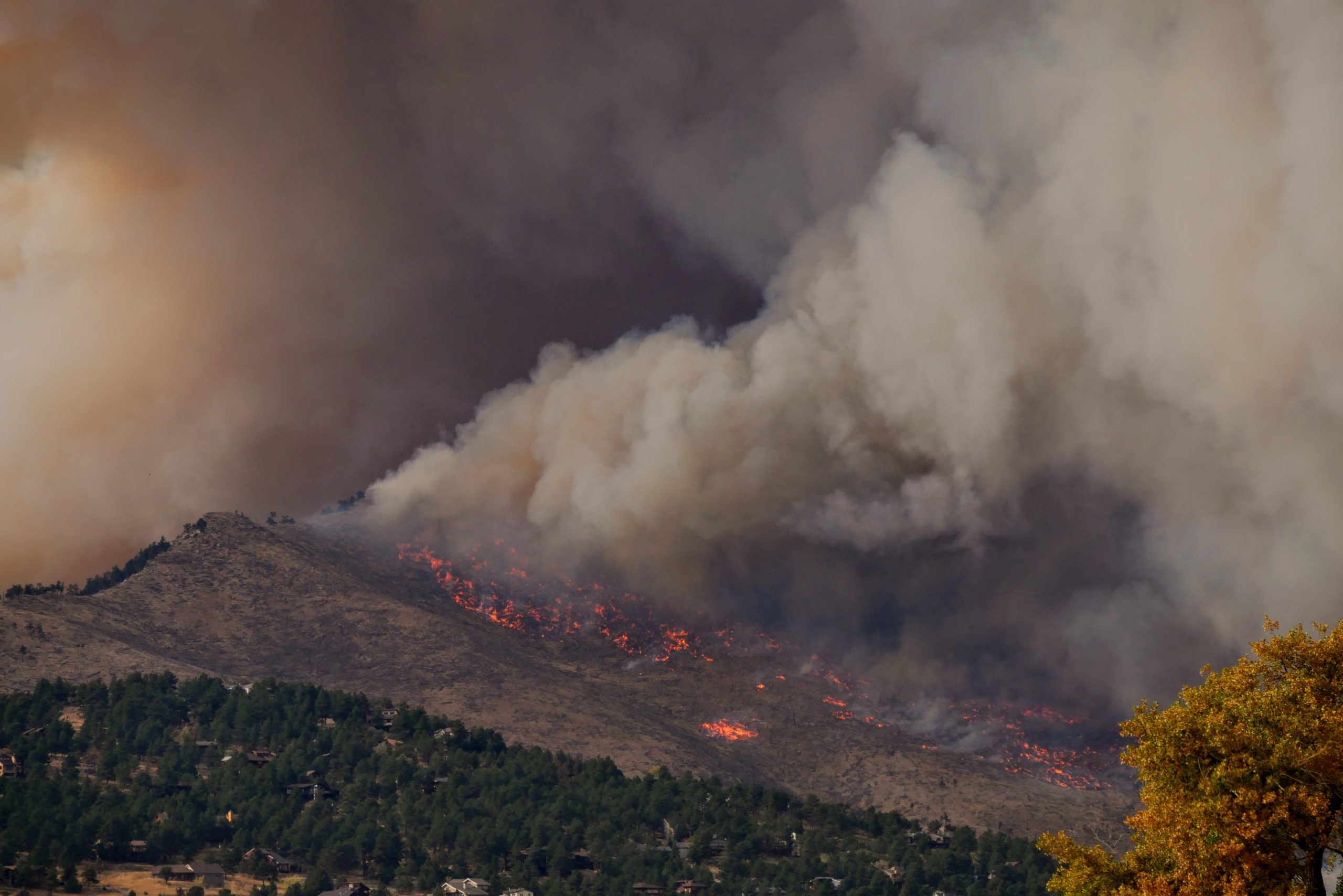
As wildfires rage on the West Coast, air quality nationwide suffers. Satellite images show smoke and soot traveling all the way from California and Oregon to the Atlantic Ocean.
Not surprisingly, the demand for air purifiers is surging. The principles of supply and demand ensure prices will rise as availability shrinks.
Like the great toilet paper rush of 2020, or the gasoline guzzle this spring, we once again see the hoarding instinct taking hold. Some consume more than they need, exacerbating shortages that most significantly impact our fellow citizens on the West Coast or those who are medically more vulnerable to smoke inhalation. “Get what you can while you can!” seems to be the default response.
It’s a human problem, not just an American problem, as we see this story of air purifiers, toilet paper, and gasoline also reflected globally in vaccine boosters. Regardless of how you feel about the vaccine, we see disparities in access prompting the WHO director general to plead for an “urgent reversal, from the majority of vaccines going to high-income countries, to the majority going to low-income countries.” While some worldwide are accessing their third shot, there simply isn’t availability in the underserved places where HOPE International works. Vaccination rates are discouragingly low: Ukraine 5.8%, Rwanda 3.2%, Congo 1.2%, and Haiti <0.1%.
A community and society is perhaps best evaluated by how it treats the most vulnerable. Air purifiers, toilet paper, and boosters can reflect heart postures. Do we hoard or do we share? Do we focus internally or externally?
We’re living through a time of great uncertainty, and as I met with HOPE’s leadership team to review budgets and strategic plans, I found myself grappling with these same tensions. Should we stockpile resources to prepare for an uncertain future, or should we deploy as many resources as possible to reach more vulnerable men and women around the world right now? God has consistently provided abundantly for all HOPE’s needs through an outpouring of generosity from our supporters. But I find myself quick to forget. While it’s prudent to have an emergency fund, it’s unwise stewardship to hoard.
The Bible might not mention gasoline, Charmin, or even the appropriate size of an emergency fund, but it’s far from silent on how to cope with a crisis. It includes 100 “one another” statements on how we should (and should not) treat our neighbors, perhaps in this case best summarized in Philippians 2:4: “Let each of you look not only to his own interests, but also to the interests of others.”
In crisis, faith communities are invited to model radical other-centeredness. What would happen if followers of Jesus really did share tunics and toilet paper? Or if believers walked the second mile to deliver food to those shut in? I wonder how hearts might be opened to the Gospel if our neighbors saw us opening our hands and loving our neighbors instead of stockpiling supplies, stashing cash, and jostling to be first in line.