On a recent call, a friend asked, “Why haven’t I heard more about the impact of COVID-19 in low-income countries around the world?”
The news of how COVID-19 is affecting our own communities and country is inescapable, but I think he is right – it’s more difficult to hear how the virus is impacting some of our more vulnerable global neighbors.
In response to his question, and in conjunction with my colleague Ashley Dickens, here is a short overview of some of the most significant challenges facing families in underserved communities. This “global roundup” of articles and stories has shaped the way we understand the global impact of this virus and how we might best respond to it.
For many families living in poverty, COVID-19 poses three primary obstacles:
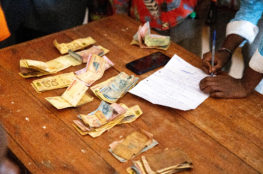
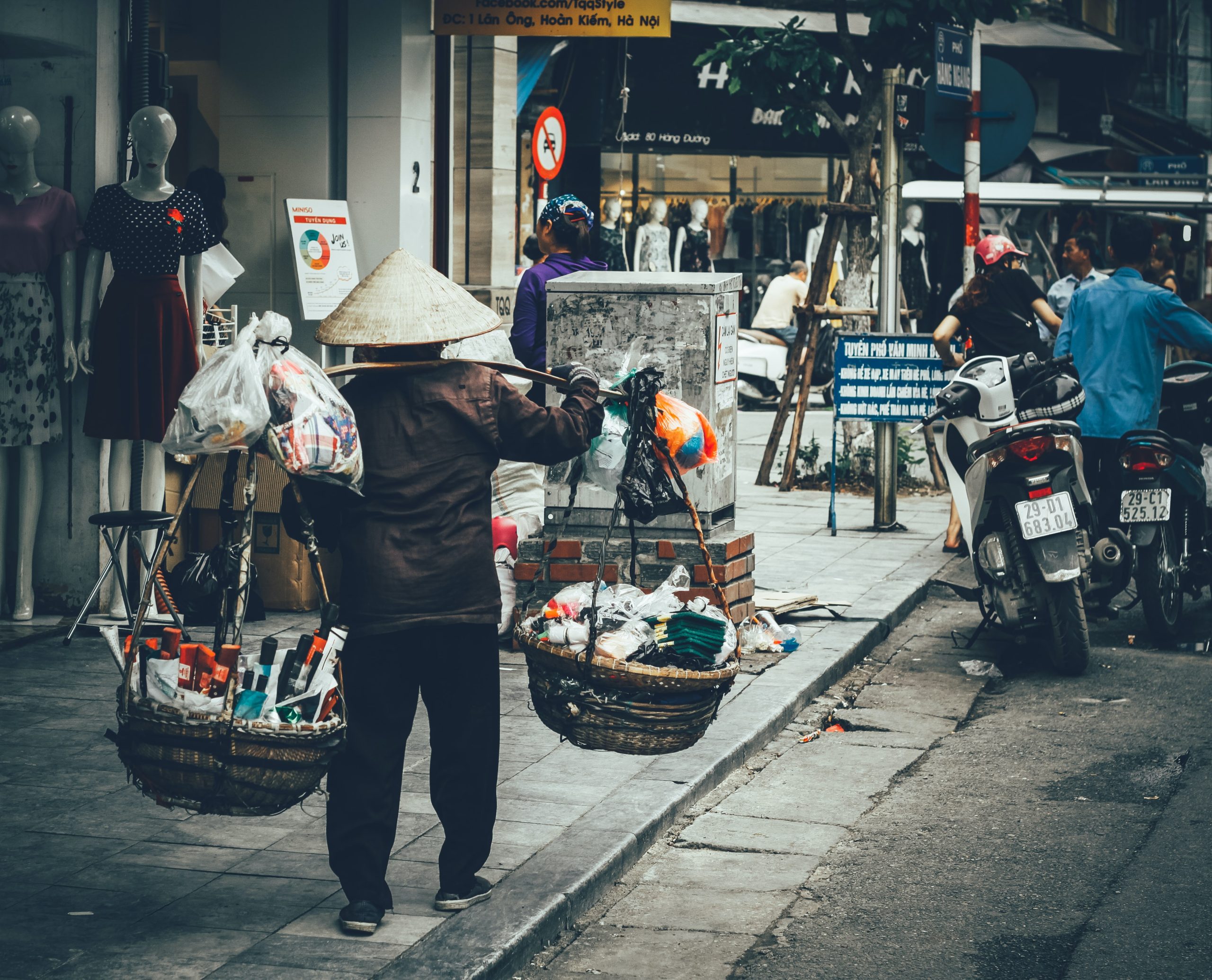
- It forces people to make the impossible choice between food and safety. Since most Zimbabweans need to leave their homes every day for food and other basic necessities, the World Health Organization’s recommended virus precautions don’t seem sustainable. “It’s better to get coronavirus while looking for money than to sit at home and die from hunger,” Irene Kampira shared as she shopped in a bustling marketplace in Harare, Zimbabwe. In nearby Rwanda, the shutdown is gutting the local economy, precipitating food shortages and business closures. Because of this, lower-income families are struggling to put food on the table. “‘To feed my family, I have to go hungry myself,’ said Regine Murengerantwari, a widow and mother of four in Kigali, whose income dried up when the new restrictions took effect on March 21.’” Many entrepreneurs simply don’t have the luxury of being able to shelter at home; if they don’t work today, they don’t eat tonight. As I read these updates, I’m struck that the consistent, dominant theme is not so much fear of the virus as it is fear of families going hungry amid country-wide shutdowns and restrictions.
- It requires resources that are in short supply. It’s not just food that’s a limited resource. For many communities fighting the COVID-19 crisis, medicine, masks, respirators, and hospital beds are in short supply. Even things like soap and clean water may be rare luxuries in slowing the spread of the virus. In Idlib, Syria, Fatima Um Ali lives with her family in a makeshift camp near the Turkish-Syrian border. And everything they need to protect themselves from COVID-19 is out of reach. “There is no running water, soap is expensive, and hand sanitizer is an unaffordable luxury.” Fatima shares, “We try with our limited capabilities to keep clean. All those sanitizers, cleaning materials that you are talking about, we can’t get.” Without access to medicine, clean water, and soap, families are even more vulnerable to the virus.
- Its containment relies on social distancing. For those living in slums, especially, social distancing isn’t just inconvenient; it’s nearly impossible. There are some “real challenges to contain a massive outbreak of a disease in a unique, otherwise self-contained slum, which is home to fishermen, potters, furniture makers, garment makers, tailors, accountants, waste recyclers, and even some of Mumbai’s edgiest rappers. Dharavi, writer Annie Zaidi once observed, is a place full of ‘stories of desperation and grit, initiative and very, very hard work.’ Now it faces its most daunting challenge of preventing a cataclysmic wave of contagion.” Hearing these stories reminds me that social distancing is a privilege that many living in crowded, under-resourced camps simply do not have.
This news is heavy, and our hearts are hurting with our global brothers and sisters as they continue the fight against COVID-19. And still, we know that God is on the move and cares infinitely more about what is unfolding than we do. At HOPE, we remain committed to locking arms with our more vulnerable brothers and sisters across the globe and working with them to restore what the pandemic has destroyed. We’re in it for the long haul, knowing that those in the vulnerable communities where we serve will once again rebuild with remarkable resilience.
If you would like to join us in our work to resource men and women so that they can continue providing for their families and communities, please consider giving to HOPE’s COVID-19 Response Fund. Let’s use this time to respond with courageous love and compassion.